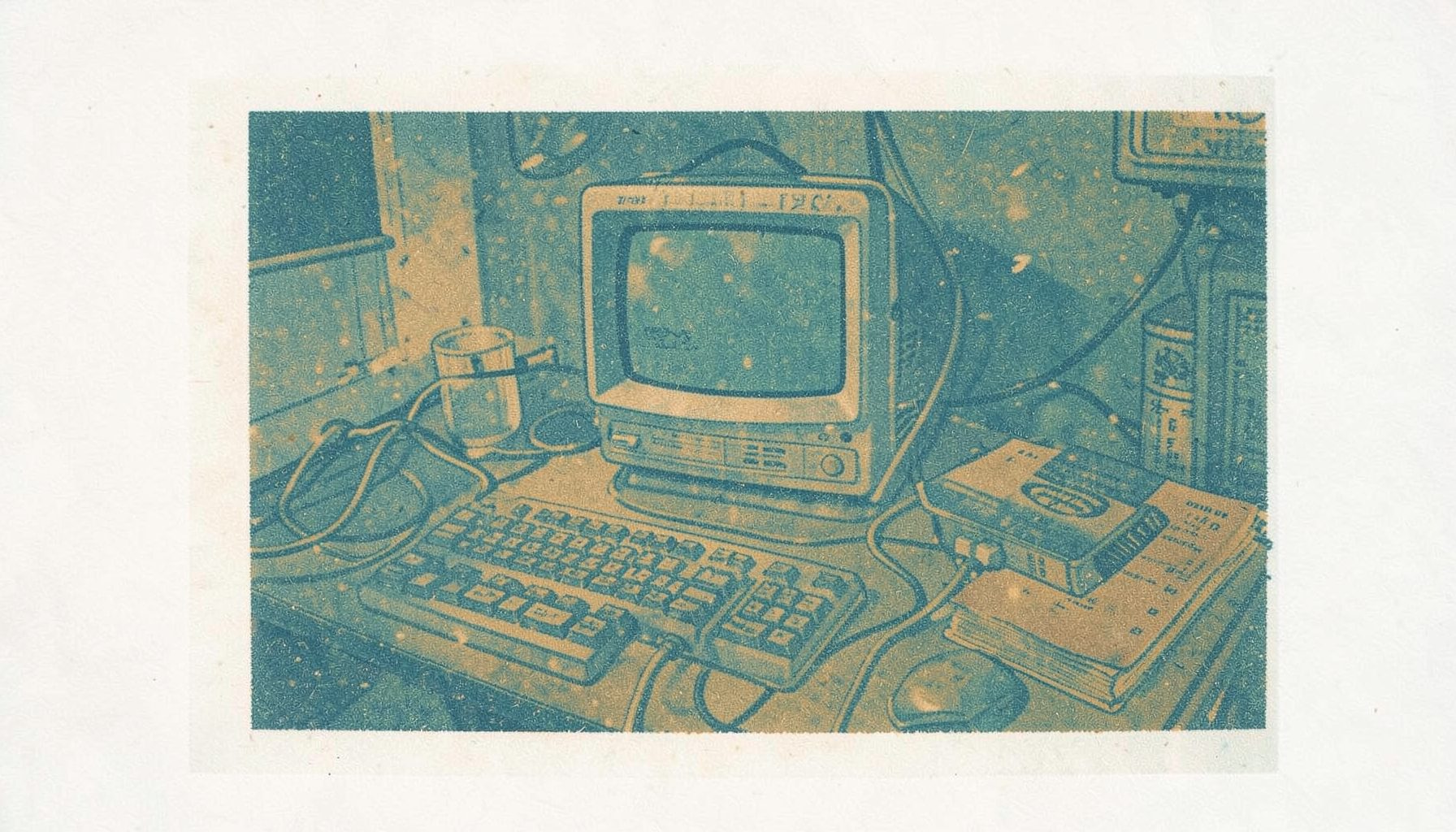
X68000 Community Links
Curated links to Sharp X68000 community hubs, related hardware and software projects, and partner sites from the X68K.NET link directory.
Community Hubs
-
X680x0 USERS GROUPThe central community hub for Sharp X68000 enthusiasts — forums, resources, and user-contributed content.x68.jp
-
X-PowerStationA long-running X68000 resource site with software archives, hardware information, and community contributions.xps.jp
Hardware & Software Projects
-
X68-USB ProjectDedicated to USB-related development for the Sharp X68000 platform, including drivers and utility software.usb.xps.jp
-
KTSA linked partner site with related X68000 hardware and technical content.kts-web.com
Partner & Affiliated Sites
-
Technical Shop AlfiniA technical shop offering components and services relevant to electronics and retro computing hobbyists.infini-d.co.jp
-
Yashio FactoryAn industrial and manufacturing partner site linked from the X68K.NET homepage.yashiofactory.co.jp
-
Hirano TireA linked partner business listed in the X68K.NET directory.hirano-tire.co.jp
-
Reverse NetA site dealing in used and junk PC parts, linked from the X68K.NET homepage.reverse-net.com
The Sharp X68000 remains one of the most beloved home computers to come out of Japan, a machine that captured the imagination of hobbyists in the late 1980s and early 1990s with its powerful graphics and sound capabilities. Decades after its commercial lifecycle ended, the platform enjoys a dedicated following of enthusiasts who continue to explore, document, and celebrate its legacy. The community surrounding the X68000 is remarkably active, with forums, user groups, and curated resource archives serving as gathering points where newcomers and veterans alike can exchange knowledge, share projects, and keep the spirit of this remarkable system alive.
For those interested in the technical side of the X68000, a wealth of hardware and software projects continue to emerge from the community. Development efforts range from USB and storage interface adaptations to utility software and drivers that extend the capabilities of the original hardware. These projects represent a bridge between the vintage computing era and modern technology, allowing enthusiasts to integrate their classic machines into contemporary workflows. The collaborative nature of these efforts means that documentation, source code, and design notes are frequently shared, ensuring that knowledge accumulates and builds over time rather than being lost to age.
The X68000 community is not limited to Japanese speakers, though the platform's origins in Japan mean that much of the historical material is written in Japanese. Many international enthusiasts have taken on translation efforts, creating English-language guides, wikis, and discussion spaces that make the platform more accessible to a global audience. This cross-cultural exchange enriches the community, as different perspectives bring fresh approaches to problem-solving and preservation. The result is a diverse ecosystem of resources that spans languages and borders, united by a shared appreciation for this unique piece of computing history.
Websites dedicated to the X68000 often serve as living archives, collecting essays, photographs, and personal recollections from those who used the machine during its heyday and those who discovered it later. These personal accounts provide valuable context about how the computer was actually used, from game development to desktop publishing to programming experiments. Beyond pure nostalgia, these archives also function as important historical records, preserving details about software, hardware revisions, and cultural impact that might otherwise be forgotten. The human stories behind the technology are as compelling as the technical specifications themselves.
For anyone exploring the X68000 ecosystem, the curated link directories maintained by community members are an invaluable starting point. These directories organize the scattered resources of the platform into coherent categories, making it easier to find everything from hardware documentation to software repositories to active discussion forums. The volunteer effort behind maintaining these lists is considerable, requiring constant updates as sites come and go and new projects launch. This dedication to organization and accessibility speaks to the broader ethos of the X68000 community: a collective commitment to preserving and promoting a remarkable computer long after official support has ended.