Reading 3-Bet And 4-Bet Spots With Greater Precision
Poker becomes significantly more demanding once a hand moves beyond the opening raise. A 3-bet, which is a re-raise before the flop, can represent a premium holding, a carefully chosen bluff, or an adjustment to an opponent who opens too frequently. A 4-bet raises the pressure again and usually creates a pot where every decision has meaningful strategic and financial consequences.
Understanding these situations requires more than memorising a chart. Position, stack depth, player tendencies, opening ranges, table dynamics, and tournament or cash-game conditions all affect the correct response. The same pocket pair can be a profitable call in one spot, a fold in another, and an aggressive 4-bet in a carefully selected situation.
This guide explains how to build a practical pre-flop framework. It covers range construction, sizing, blockers, value hands, bluff candidates, and the adjustments needed against tight and loose opponents. The aim is to make 3-bet and 4-bet decisions clearer without pretending that any single formula works at every table.
Poker strategy should always be applied within a controlled budget. Australian players should also check licensing, terms, payment conditions, and withdrawal policies before using an online gambling service. Spin Samurai is offshore and is not licensed in Australia, so visitors should assess that status carefully alongside any available reviews and user feedback.
Building A Reliable Pre-Flop Framework
A 3-bet begins with the original raiser’s opening range and the position of the player making the re-raise. A late-position open is generally wider than an under-the-gun raise, so the defending player can respond with more hands. Against an early-position open, a 3-bet range should usually become tighter because the initial range is stronger.
Position affects both the range and the preferred sizing. A player in position can apply pressure after the flop and realise equity more efficiently, while an out-of-position caller faces difficult decisions on later streets. This is why calling a 3-bet from the blinds may require a stronger hand than calling from the button.
Stack depth changes the value of speculative holdings. Suited connectors and small pairs can perform well when stacks are deep enough to win a large pot after making a disguised hand. With shallow stacks, those hands lose implied odds, while high-card strength and immediate all-in equity become more important.
Making Effective 3-Bets
A strong 3-bet range normally contains two broad categories: hands that are happy to continue for value and hands that benefit from fold equity. Premium pairs, ace-king, and some strong suited ace combinations often form the value portion. Bluff candidates should have useful blockers, reasonable playability, or both.
Blockers matter because they reduce the number of premium combinations available to an opponent. Holding an ace makes it less likely that the opener has pocket aces or ace-king, which can make a suited ace an attractive bluffing candidate. The hand still has some equity when called, giving it a better profile than a random offsuit holding.
Sizing should communicate pressure without becoming unnecessarily large. In position, a 3-bet of roughly three times the open can often be sufficient, while an out-of-position re-raise may need to be larger to compensate for the positional disadvantage. These are starting points rather than fixed rules; open size, antes, rake, and stack depth all matter.
A linear 3-bet range contains mostly strong hands and is useful against opponents who call too often. A more polarised range includes very strong value hands alongside bluffs, with medium-strength hands sometimes calling instead. Polarisation can work well against players who fold too much to aggression, while linear ranges punish players who continue too widely.
Handling The 4-Bet Decision
A 4-bet is a substantial escalation, so the decision should begin with the likely range of the player who made the 3-bet. Some players re-raise only with premium hands. Others use a high 3-bet frequency and include many suited aces, broadway combinations, and smaller pairs. The correct response changes dramatically between those profiles.
Against a tight 3-bettor, continuing with medium-strength hands can become expensive. Pocket queens, ace-king, and ace-queen may look attractive but can be in poor shape against a narrow 4-bet continuing range. Against an aggressive opponent, folding too frequently allows them to profit from repeated pressure.
The table below gives a simplified guide to common pre-flop actions. It is a framework for thought rather than a substitute for position-specific ranges or real-time reads.
| Situation | Typical strategic purpose | Main consideration |
|---|---|---|
| 3-bet with a premium pair | Build a larger pot for value | Use a size that limits cheap calls |
| 3-bet with a suited ace | Combine blocker value with fold equity | Avoid overusing the bluff |
| Call a 3-bet in position | Keep weaker hands in the opponent’s range | Consider stack depth and post-flop skill |
| 4-bet for value | Charge strong but dominated continuing hands | Estimate how often the opponent continues |
| 4-bet bluff | Apply pressure with a blocker | Choose hands with poor calling value |
| Fold to a 4-bet | Preserve chips against a strong range | Do not defend automatically because of pot odds |
4-bet sizing is usually larger than a normal 3-bet, but it should still leave a coherent relationship between the bet and the remaining stack. A small 4-bet can invite calls from hands that realise equity well, while an oversized raise may commit the bettor with a range that was intended to include bluffs. Before raising, calculate whether the plan is to call a shove, fold to further action, or move all-in.
When stacks are short, the distinction between a 3-bet and a 4-bet may be less meaningful because the next raise can commit the entire stack. Tournament antes, payout pressure, and satellite formats also influence risk tolerance. Chip value is not always identical to cash value, particularly near a final table or pay jump.
Adjusting To Opponents And Table Conditions
Player tendencies are more valuable than labels such as “tight” or “loose.” Track how often an opponent opens, folds to 3-bets, calls re-raises, and 4-bets. A player who opens frequently but folds often to re-raises may be vulnerable to selective aggression. Someone who rarely opens but never folds to a 3-bet should be treated very differently.
The number of players still able to act is important. A 3-bet from the button after a cutoff open faces fewer likely callers than the same raise made from the small blind. When several players remain behind, squeeze opportunities may exist, but the required hand strength also rises because multiple opponents can wake up with premium holdings.
Table image can alter the outcome of an otherwise standard decision. A player who has recently shown several bluffs may receive less credit for a 4-bet, while a player who has been inactive may receive more respect. These adjustments should be based on observed behaviour rather than frustration or an assumption that a particular hand is “due” to win.
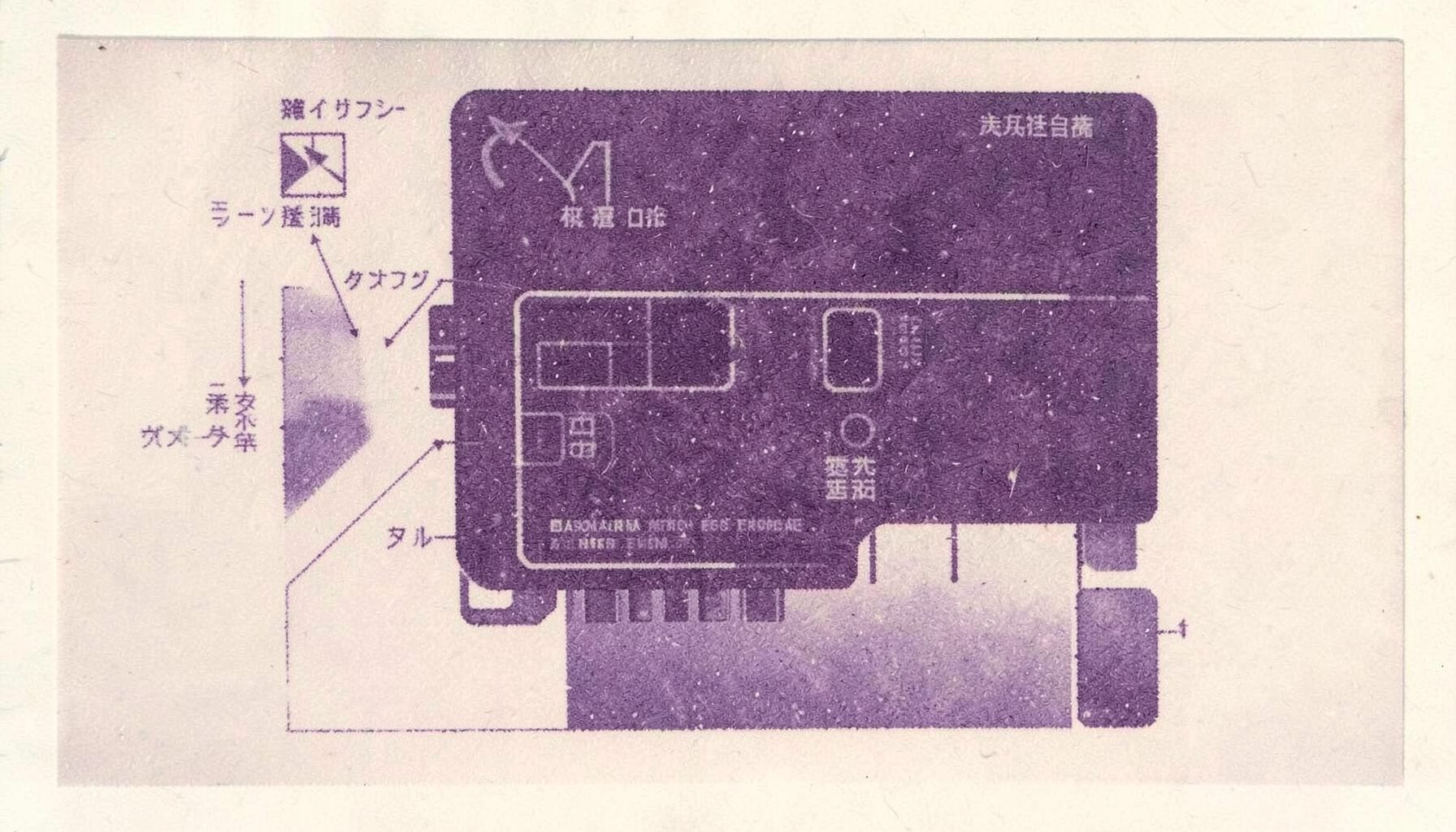
Practical enthusiasts often approach systems by checking inputs, testing changes, and observing results over time. That mindset is useful at the poker table: record meaningful hands, review positions and bet sizes, and separate a sound decision from an unlucky result. Readers who enjoy that kind of hands-on technical work can also explore the Nereid expansion project, a hardware-focused example of careful design and experimentation from the wider X68000 community.
Connecting Strategy With Online Play
Online poker and casino environments can make disciplined decision-making harder because of speed, promotions, and constant access. A bonus may encourage longer sessions, while rapid hands can lead to automatic 3-bets without enough attention to position or opponent range. Set a session limit before playing and avoid increasing stakes to recover losses.
Casino review information can help players compare practical details, but it should be checked critically. Look for clear information about game selection, payment methods, withdrawal times, mobile compatibility, wagering requirements, and the source of player ratings. Promotional language should never replace reading the terms and conditions.
For readers assessing Spin Samurai’s available games and operating details, spinsamuraireviews.com provides a review resource covering bonuses, payment options, mobile play, advantages, drawbacks, and submitted user feedback. The site also notes that Spin Samurai operates offshore and does not hold an Australian licence, a point that should remain part of any risk assessment.
A poker strategy article cannot guarantee a profit, and a casino bonus does not remove house edge or gambling risk. Review the minimum age rules that apply to you, use only money set aside for entertainment, and stop when the planned limit has been reached. Players who find that gambling is becoming difficult to control should seek confidential support from an appropriate gambling-help service in their region.
The most useful way to practise 3-bet and 4-bet strategy is to start with a narrow, understandable range and expand it as your decisions become consistent. Mark hands where position, stack depth, sizing, or an opponent’s tendency created uncertainty. Reviewing those spots away from the table builds stronger instincts than chasing results from a single session.
Use the framework to evaluate each decision before committing chips: identify the opener’s range, estimate the re-raiser’s incentives, check the blockers, and decide how you will respond to further aggression. When comparing an online casino or poker platform, apply the same care to licensing status, terms, withdrawals, and spending limits. Thoughtful preparation makes every session easier to assess and keeps entertainment within a defined budget.
Nereid-X Expansion Board
A personally-produced LAN+USB+Memory expansion board for Sharp X68000 series computers. Multiple production runs were offered, including a final batch and a later revival reproduction run.
Power Supply Repair
X68 power supply repair and modification services were offered by the site owner, with documentation shared through diary entries spanning 2001–2006.
Server & Networking
Notes on FreeBSD administration, ISP changes, server migration, and networking topics. The site itself ran on FreeBSD with the hns diary system and Namazu search integration.


Get in touch
X68K.NET connects Sharp X68000 enthusiasts through community links and shared projects. Reach out with questions about the Nereid project or X68 resources.